Check in
A private, age-appropriate way for students to say how they are doing.

We help schools notice what students carry, respond early, and create the conditions for every learner to thrive.

Every learner deserves to be heard.
A clearer path to care
A learner may be in class while carrying stress, grief, bullying, anxiety or difficulty at home. Mindful Learning turns those often invisible experiences into a humane route to support.
A private, age-appropriate way for students to say how they are doing.
Clear patterns help schools notice concerns earlier and respond with context.
Students reach the right school, family, peer or professional pathway.
Follow-up insights help the whole school build a healthier environment.
Built for the whole school
Technology should make care easier, not school life more complicated. Students, schools, parents and support teams each get the right view and the right next step.
“Every student should have a way to be heard, and every school should know when to listen.”
A private way to be heard.
Early signals with context.
Clear, practical guidance.
A better path to follow-up.
Useful school insight
School leaders can turn wellbeing reports into clear barriers, priorities and practical first actions, without losing the human story behind the information.
Explore report insightsStudent wellbeing overview
Priority: create a weekly peer-support check-in and review safeguarding referrals within two weeks.
We work with school leaders, teachers, parents, community groups and the people who train them. These are a few moments from the past months: school visits, parent sessions in church halls, conversations with teacher training institutes. They show what is already happening, and what becomes possible when wellbeing is simply part of how a school runs. If you lead a school or a programme, the same approach can work for the young people in your care.
 01
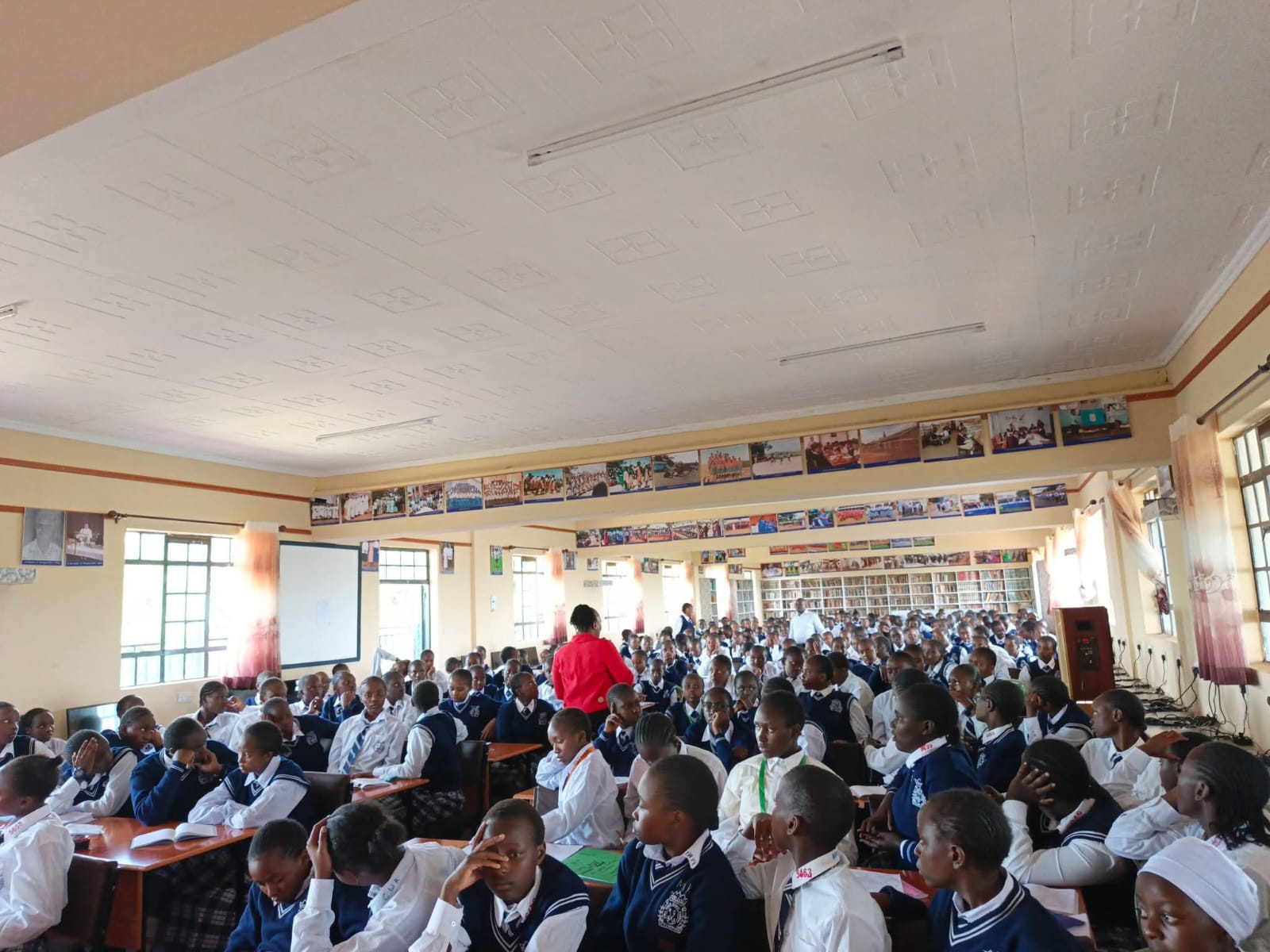
01A full hall of students, every face turned toward the front. We chose this photo because everything Mindful Learning does begins in a room like this. Before any tool or training, a learner needs to feel safe enough to be present. When students are given words for what they carry inside, the quiet struggles finally have somewhere to go.
 02
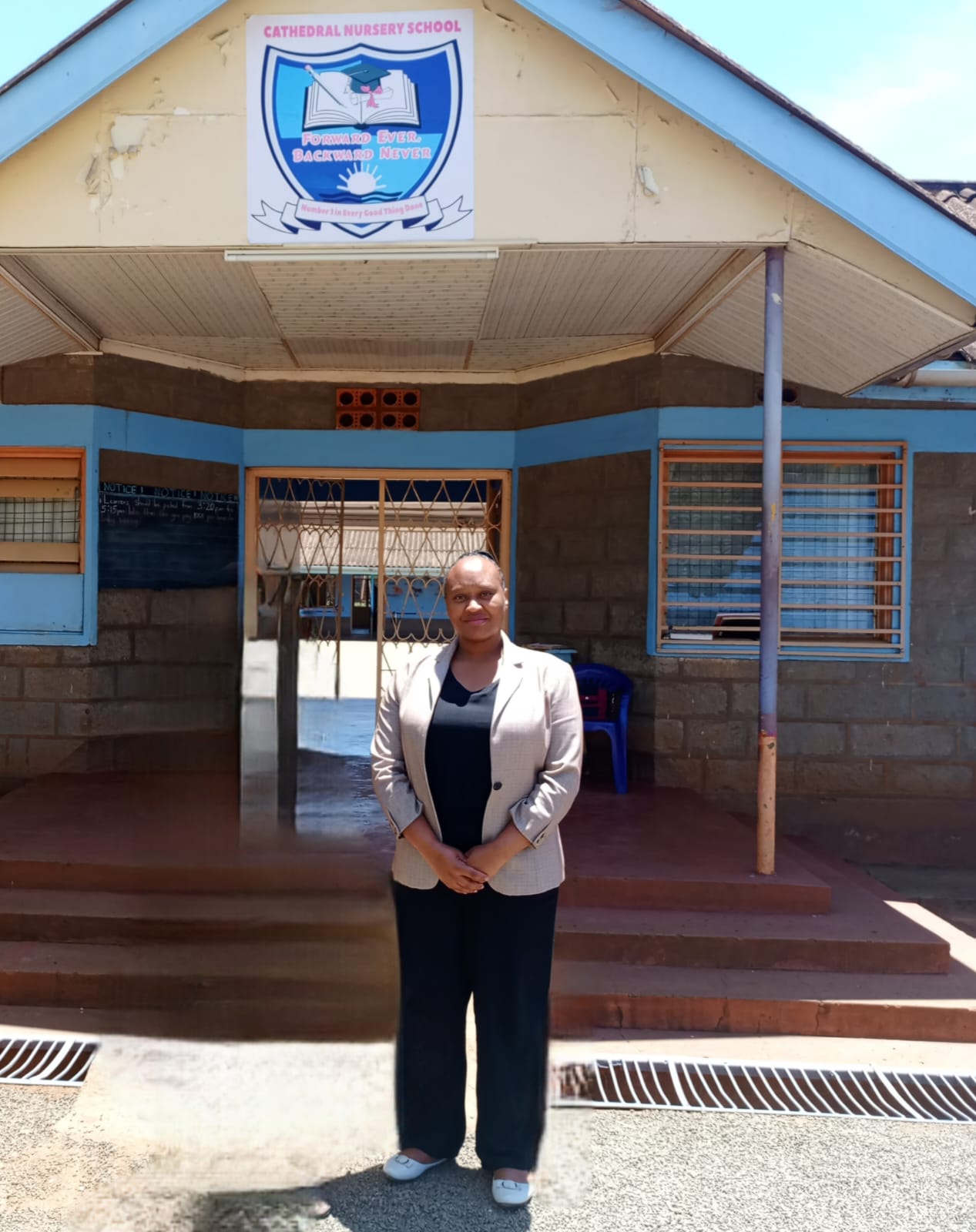
02Margaret at the gate of Cathedral Nursery School, not on a phone call. We chose this photo because wellbeing work only holds when it is grounded in real relationships. Someone has to walk the corridors, meet the teachers and sit with the children before suggesting anything. Trust is not mailed; it is walked in.
 03
03Standing alongside national education leaders and teacher training institutes at a KATTI event. We chose this photo because change one school at a time is powerful but slow. When the people who train teachers and shape policy sit at the same table, wellbeing stops being a nice-to-have and becomes part of how the whole system works.
 04
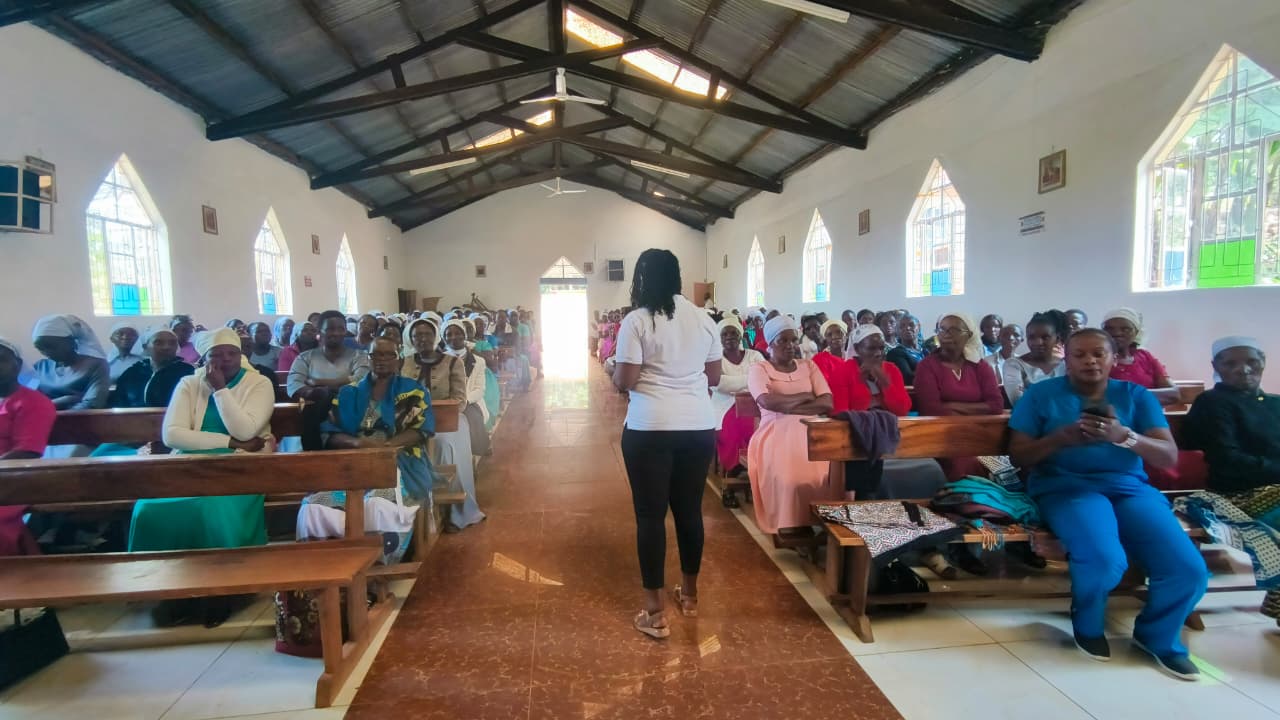
04A church hall on a weekend, filled with parents and caregivers. We chose this photo because children do not leave home at the school gate. Whatever happens at home walks into the classroom with them. So we bring the conversation to the spaces families already trust, where parents feel safe enough to ask the questions they carry in silence.
 05
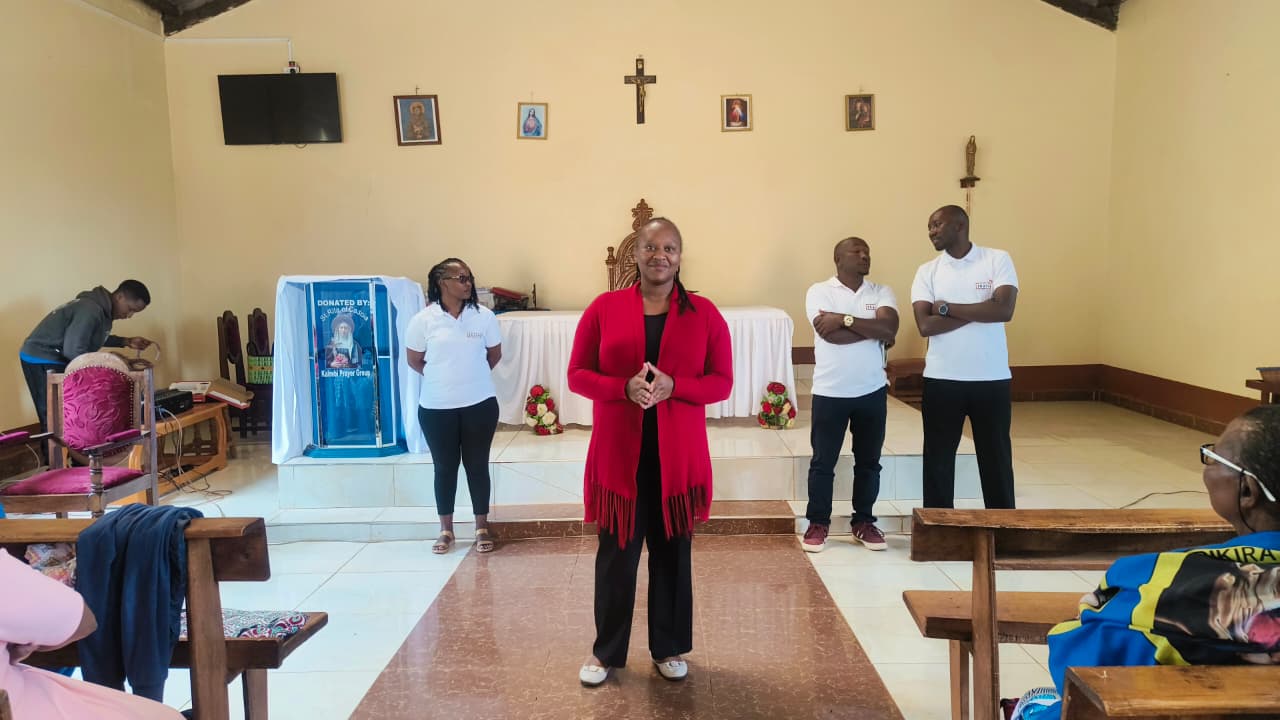
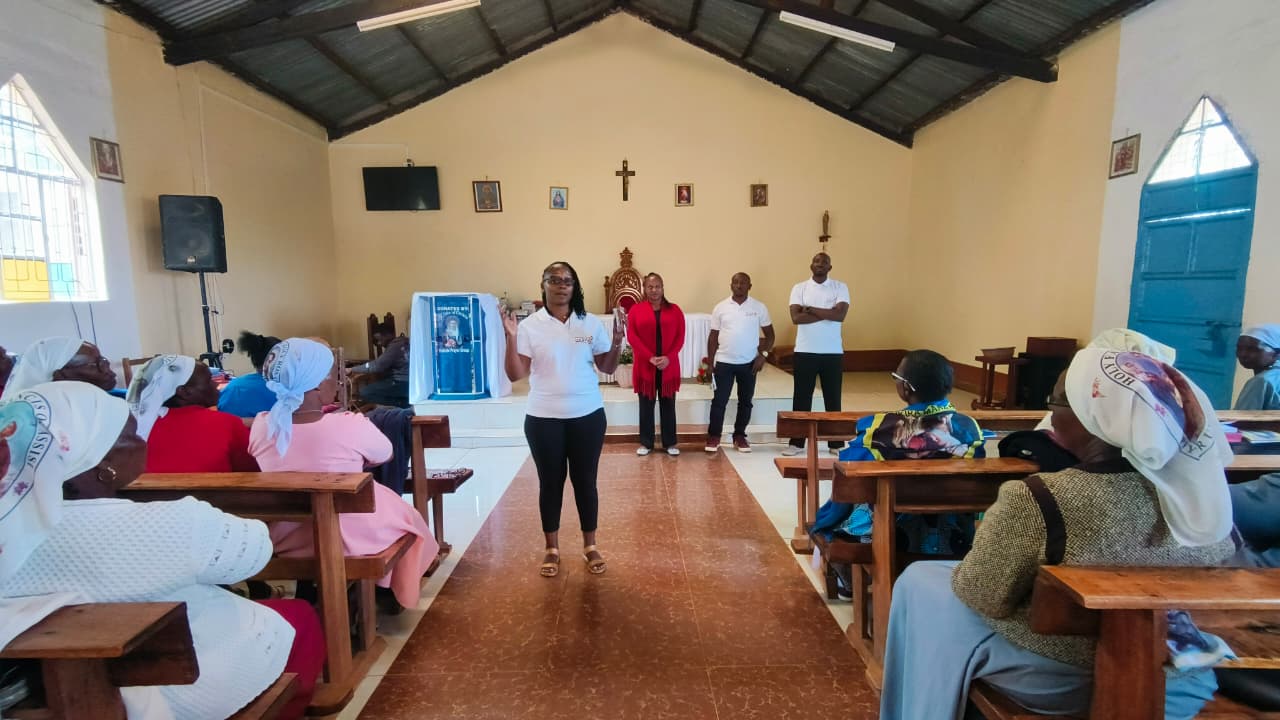
05A facilitator sharing practical signs to watch for and simple words to use. We chose this photo because the most powerful part of this work is not complicated. When a parent or teacher knows how to notice and what to say, support does not end when we leave. It continues in the kitchen, the staffroom and the playground long after the session is over.
 06
06Adults talking openly about their own children and their own worries. We chose this photo because stigma breaks in rooms like this. The moment a parent hears another family describe the same struggle, the shame lifts and silence becomes conversation. A family that can speak is a family that can act early.
 07
07Partners who can step in when a school reaches the edge of what it can do. We chose this photo because spotting a child who is struggling is only half the work. Without a referral pathway, a worried teacher is left with a name and no next step. So we build the network of care before the moment of crisis, so no child is noticed and then left waiting.
Swipe to see more.

Care, made practical.
Meet Margaret
Margaret Wanjiru has spent her career inside Kenyan schools, sitting with head teachers, guidance staff, parents and students, and turning student wellbeing from a good intention into something a school can actually run week to week.
She has led wellbeing support in hundreds of schools across Kenya, reaching more than 38,000 students directly, and she works closely with teacher training institutes, county education leaders and community groups so the support keeps going long after a session ends.
Her approach is plain and practical: help adults notice what a child is carrying, give them the words and the steps to respond, and make sure no young person falls through the gap.
Margaret Wanjiru
Head of Mindful Learning
Let’s work together
We partner with schools, education networks, governments, foundations and teams who care about better learning and wellbeing.
Mindful Learning